
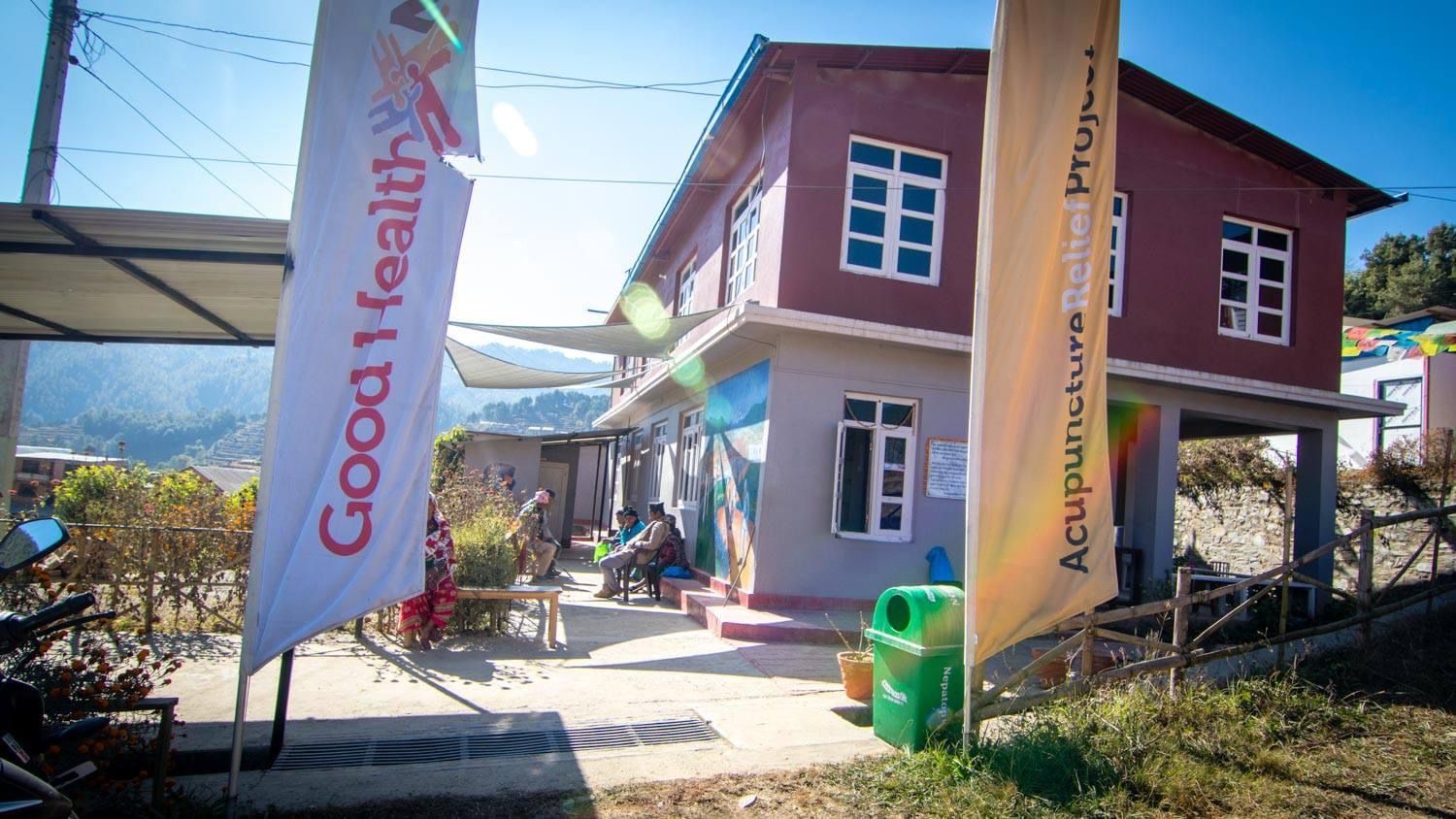

In 2013, a vision was born in the hills of Nepal, a vision to make healthcare more accessible, holistic, and inclusive for underserved communities in rural areas. This vision gave rise to Good Health Nepal, a non-governmental organization committed to supporting and complementing the existing government healthcare system through innovative approaches, particularly the integration of alternative medicine
Why Good Health Nepal Was Created ?
The idea behind Good Health Nepal emerged from the growing realization that many rural communities in Nepal, despite government-led free healthcare initiatives, continued to suffer from chronic illnesses, untreated conditions, and lack of awareness about preventive care. We believed that a collaborative, integrative approach combining alternative healing practices with conventional allopathic medicine could provide a more complete solution to the health challenges of these communities.
Our initial approach was simple yet impactful: organize mobile health camps in remote areas, where volunteer health professionals would offer checkups, treatment, and health education. But we knew this was just the beginning. Our long-term goal was always to integrate alternative medicine, particularly acupuncture and holistic treatments, directly into existing government health posts and clinics creating a blended healthcare model that was both effective and culturally appropriate
Breaking New Ground: Challenges in Registration
Pioneering a new path in healthcare came with its own set of challenges. At the time, the idea of integrating alternative medicine into government health services was unprecedented in Nepal. There were no clear guidelines, policies, or frameworks to follow, and the lack of precedent meant we had to create our own roadmap from scratch.
The process of getting registered with various government bodies was daunting. Multiple levels of coordination, policy interpretation, and proposal reviews were required. We had to repeatedly explain our purpose, justify our model, and demonstrate how our initiative aligned with national health priorities.
Eventually, after months of effort and advocacy, we were successfully registered with all necessary affiliated bodies. However, receiving field-level permission to operate was a major milestone, one that would not have been possible without the support of the District Public Health Office in Mopanpur. They recognized the value of our initiative and allowed us to launch a six-month integrated health program, on the condition that our work would be monitored and evaluated every two to three months
Our Service Model: Integration and Impact
Our flagship program operated under a simple yet powerful model: deliver primary health care services using acupuncture and holistic medicine, while maintaining clear diagnostic protocols and patient records. All services were provided free of cost, in line with government health policies, ensuring equity and accessibility for the local population.
The program focused on:
- Screening and diagnosing health conditions through trained professionals
- Providing acupuncture treatments for chronic pain, musculoskeletal issues, neurological conditions, and more
- Offering health education and lifestyle guidance to promote long-term well-being
- Encouraging cooperation
between local health workers and our trained alternative medicine practitioners
Our goal has never been to replace the conventional system, but rather to enhance it by providing non-invasive, drug-free treatments that have been shown to significantly improve patients’ quality of life.
Looking Ahead
The journey of Good Health Nepal is one of resilience, innovation, and collaboration. From facing bureaucratic hurdles to pioneering a new model of integrated care, our work continues to evolve in response to the needs of the communities we serve.
As we move forward, our mission remains clear: to create a model healthcare system in Nepal where modern medicine and traditional healing coexist offering people the best of both worlds. We believe that by empowering local communities with access to integrative care, we can create a healthier, more self-reliant Nepal.